US Naval Blockade of Iran Expands Globally
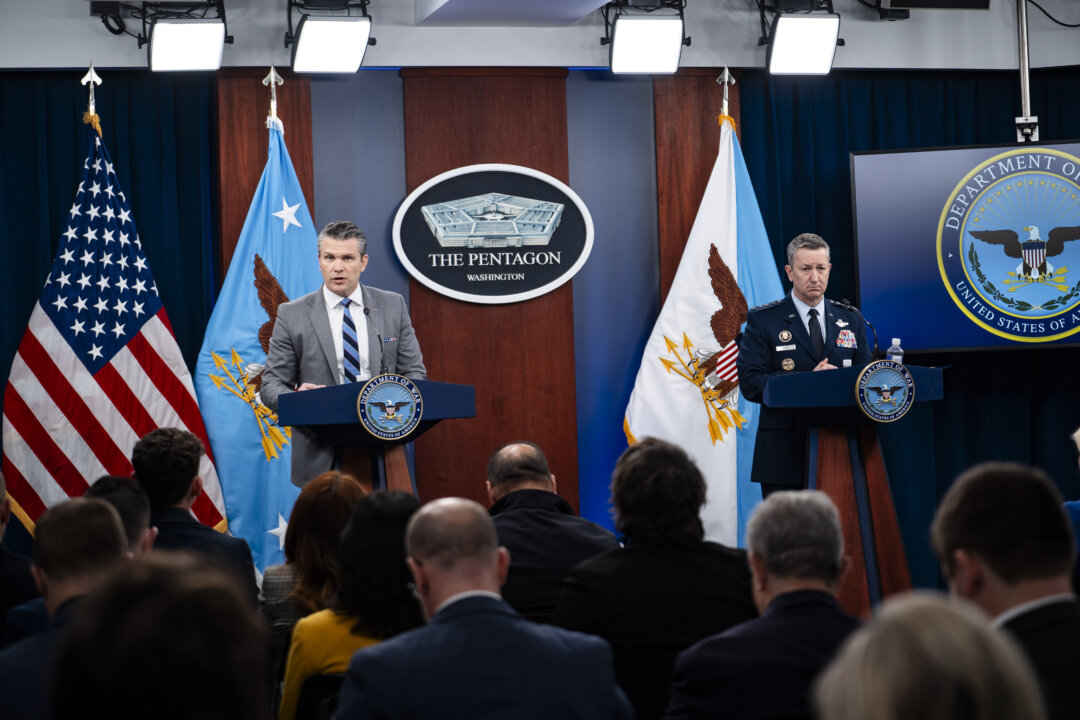
US Naval Blockade of Iran Expands Globally The United States has launched and steadily expanded a naval blockade targeting Iranian ports and vessels, beginning on April 13 and now extending from the Gulf of Oman into wider ocean routes. Both liberal- and conservative-aligned sources agree that the operation, associated with Operation Epic Fury and directed by Defense Secretary Pete Hegseth, has so far turned around roughly 34 ships that either are Iranian or are carrying goods to or from Iranian ports. They concur that U.S. forces have deployed multiple aircraft carriers and other naval assets to intercept, inspect, and, when required, seize ships, and that clearly articulated rules of engagement allow U.S. forces to “shoot to destroy” if Iranian forces threaten commercial shipping or American personnel. Both sides present Hegseth’s position that the blockade will continue for an indefinite period and that its stated objective is to prevent Iran from obtaining nuclear weapons by intensifying pressure on its economy.
Across both liberal and conservative coverage, the blockade is framed as part of a broader economic and security confrontation with Iran that builds on longstanding sanctions and nonproliferation efforts. Both perspectives note that the United States is targeting not only conventional Iranian shipping but also maritime networks used to evade sanctions, including what some reports describe as Iran’s partnership in a so‑called “dark fleet” operating with Russia. They agree that the Strait of Hormuz and adjacent waters remain a central flashpoint where mine‑laying or other hostile acts by Iran would be seen as a breach of ceasefire understandings, and that the U.S. is using global naval reach to project deterrence. Coverage on both sides situates the blockade within existing international tensions over Iran’s nuclear program and regional behavior, portraying it as a major escalation in the economic pressure campaign rather than a standalone incident.
Areas of disagreement
Nature and framing of the operation. Liberal-aligned outlets tend to describe the action primarily as a hard-edged but rule-bound enforcement measure within Operation Epic Fury, emphasizing formal rules of engagement and the stated nonproliferation goal. Conservative sources more often label it a “global blockade” and a new phase of economic warfare, underscoring its expansion into open oceans and presenting it as a decisive show of American power. While liberal coverage notes its intensity, conservative coverage stresses growth and “going global” as central narrative points.
Legality and international norms. Liberal coverage is more likely to hint at the legal sensitivity of a worldwide blockade and its interaction with international maritime law, suggesting that Washington is stretching existing sanctions and enforcement authorities. Conservative outlets generally sidestep questions of legality and instead frame the measures as a justified extension of long-standing sanctions and self-defense rights, focusing on Iranian noncompliance and nuclear ambitions. This leads liberal sources to present the blockade as controversial but controlled, whereas conservative outlets depict it as clearly warranted and within the bounds of acceptable state action.
Risk assessment and escalation. Liberal-aligned sources emphasize the risk that broad “shoot to destroy” rules, ship seizures, and global interdictions could escalate into direct confrontation, warning of potential miscalculation in crowded shipping lanes. Conservative coverage tends to minimize escalation risks, stressing deterrence and arguing that a strong U.S. posture actually prevents Iranian adventurism such as mine-laying or harassment of tankers. As a result, liberals spotlight the potential costs and blowback, while conservatives foreground stabilizing effects and the necessity of demonstrating resolve.
Strategic ends and effectiveness. Liberal reporting often questions whether economic strangulation via blockade will truly prevent Iran from pursuing nuclear capabilities, worrying it may entrench hardliners and worsen civilian suffering without clear diplomatic off-ramps. Conservative outlets present the blockade as a powerful tool that can finally make sanctions bite by targeting the “dark fleet” and cutting off revenue streams, expressing confidence that sustained pressure will force Iranian concessions. Liberals thus portray the strategy as high-risk and of uncertain efficacy, whereas conservatives frame it as overdue, muscular enforcement that can achieve long-sought strategic objectives.
In summary, liberal coverage tends to stress legal ambiguity, escalation risks, and uncertain strategic benefits, while conservative coverage tends to highlight the blockade’s growing reach, deterrent value, and perceived necessity to stop Iran’s nuclear ambitions.
Write a comment