Former Counterterrorism Chief Joe Kent Resigns Over Iran War, Faces FBI Probe
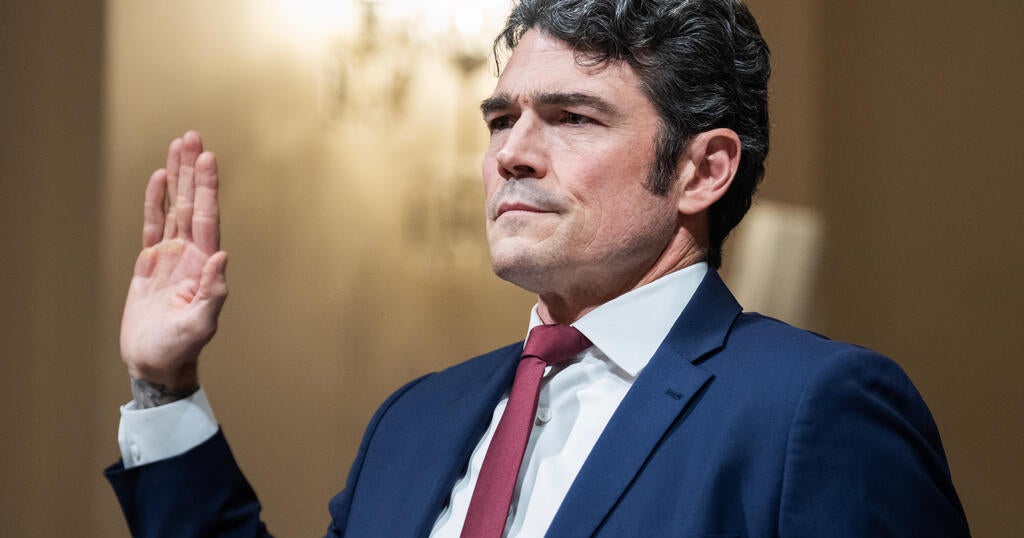
Former Counterterrorism Chief Joe Kent Resigns Over Iran War, Faces FBI Probe liberal From a liberal perspective, Joe Kent is a high-ranking Trump-era official whose explosive claims about Israeli pressure and Iran threaten to fuel antisemitic narratives and undermine confidence in intelligence-based policymaking, especially given an ongoing FBI probe into alleged classified leaks. Liberal coverage underscores establishment pushback from Trump, McConnell, and former intelligence officials, casting Kent as a controversial figure whose protest may endanger rather than safeguard public trust and security. @The Gateway Pundit @CBS News @The Guardian @CNBC
conservative From a conservative perspective, especially in populist outlets, Joe Kent is a decorated veteran and former Trump ally taking a risky stand against an unnecessary war with Iran driven by powerful lobbies and questionable intelligence, echoing lessons from the Iraq war. Conservative coverage tends to highlight his credibility as an insider, question the motivations behind the FBI investigation and antisemitism charges, and frame his resignation as a critical warning about foreign influence and deep-state maneuvering in U.S. foreign policy. @Infowars @The Washington Times @Washington Examiner @Fox News @Blaze Media @The Epoch Times Joe Kent, the director of the National Counterterrorism Center and a longtime military and intelligence professional, resigned on March 17 in protest of President Trump’s decision to wage war against Iran. Across both liberal- and conservative-aligned outlets, coverage agrees that Kent’s resignation letter asserted Iran posed no imminent threat to the United States and that he blamed the war on pressure from Israel and its American lobby, as well as what he described as a misinformation campaign involving Israeli officials and U.S. media. Both sides report that Kent is a veteran and Gold Star husband, that Trump and the White House publicly rejected his claims—labeling him weak on security, insisting Iran was a real and imminent threat, and downplaying his role in intelligence assessments—and that Senator Mitch McConnell condemned elements of Kent’s rhetoric as antisemitic. There is also broad agreement that the FBI opened an investigation into Kent over alleged leaks or mishandling of classified information, with the probe having begun before news of his resignation became public, and that Kent has accepted or is planning interviews with high-profile conservative media figures such as Tucker Carlson, Mark Levin, and others to discuss his decision.
Coverage from both liberal and conservative outlets situates Kent’s resignation within larger debates over U.S. national security decision-making, the use and politicization of intelligence, and the influence of foreign allies—especially Israel—on American war policy. Both sides describe this episode as a significant internal challenge to Trump’s Iran strategy and as an unusual move by a high-ranking official aligned with the president’s own “America First” brand to resign explicitly over a major military action. They also agree that Kent drew parallels between the Iran war and the run-up to the Iraq war, warning that Americans could again be led into conflict on the basis of flawed or manipulated intelligence, and that his exit has sparked discussion in Congress and the national security community about the threshold for “imminent threat” and the risks of eroding public trust in intelligence. Finally, both liberal and conservative stories highlight that the combination of Kent’s accusations about Israeli influence, the antisemitism charges from prominent Republicans, and the FBI probe has turned his departure into a flashpoint over the boundaries of dissent, whistleblowing, and loyalty within Trump’s national security team.
Areas of disagreement
Framing of Kent’s motives and credibility. Liberal-aligned coverage tends to treat Kent’s resignation as a principled break but raises questions about his judgment and possible misconduct, emphasizing expert critics like former CIA officials who warn that his exit could endanger Americans and noting that the FBI investigation predates his protest. Conservative-aligned coverage more often foregrounds his biography as a decorated veteran and Trump supporter whose battlefield experience informs his skepticism about the Iran threat, portraying him as a conscientious dissenter rather than a disgruntled insider. While liberal outlets stress the administration’s claim that Kent was marginal to core intelligence assessments, conservative outlets highlight his senior rank and access to suggest his warnings deserve serious weight.
Characterization of Israel’s role and antisemitism claims. Liberal sources typically relay Kent’s charges about Israeli pressure and an American Israel lobby in a more clinical or critical tone, underscoring accusations from figures like McConnell that his framing veers into antisemitic tropes and noting bipartisan backlash. Conservative sources span a wider spectrum: some establishment-friendly pieces echo the antisemitism criticism and frame his Israel claims as reckless, while populist or nationalist outlets lean into his narrative of outsized Israeli influence, even amplifying rhetoric about a “coup” or foreign capture of U.S. policy. In liberal coverage, the antisemitism issue is central to evaluating Kent’s stance, whereas in much conservative coverage it is framed as either an overused smear to silence debate or a secondary controversy compared with the underlying Iran policy.
Portrayal of the FBI investigation and ‘deep state’ dynamics. Liberal-aligned reporting generally frames the FBI probe as a serious and legitimate investigation into potential leaks or mishandling of classified information, emphasizing that it began before his resignation and could undercut his credibility as a whistleblower. Conservative coverage splits between institutionalist pieces that neutrally describe the investigation and more anti-establishment voices that cast it as part of a broader intelligence or “deep state” effort to punish or manipulate Kent and to control the Iran narrative. Liberal outlets tend to see the timeline as evidence that the probe is not retaliation, while conservative populist outlets highlight the same facts as circumstantial proof of an entrenched security bureaucracy at odds with both Trump and transparency.
Assessment of the Iran threat and policy stakes. Liberal outlets, while reporting Kent’s claim that Iran posed no imminent threat, often give more space to official rebuttals from Trump, the Pentagon, and intelligence leaders, framing the core dispute as one of professional judgment over classified evidence and the president’s responsibility for risk. Conservative coverage is more likely to foreground Kent’s comparison to the Iraq war and to question the credibility of the pro-war case, presenting him as a canary in the coal mine warning of strategic overreach and manipulation of public opinion. Where liberal coverage emphasizes the potential damage his letter could do to public trust in institutions, conservative coverage stresses the damage that secrecy and questionable threat inflation could already have done to that same trust.
In summary, liberal coverage tends to spotlight concerns about Kent’s rhetoric, potential mishandling of classified information, and the risks his resignation poses to security and institutional trust, while conservative coverage tends to elevate him as a high-ranking, battle-tested dissenter whose warnings about Israel’s influence, Iran threat inflation, and entrenched intelligence power structures raise urgent questions about Trump’s war policy and the national security state. Story coverage
Write a comment