Iran's New Supreme Leader Vows to Keep Strait of Hormuz Closed
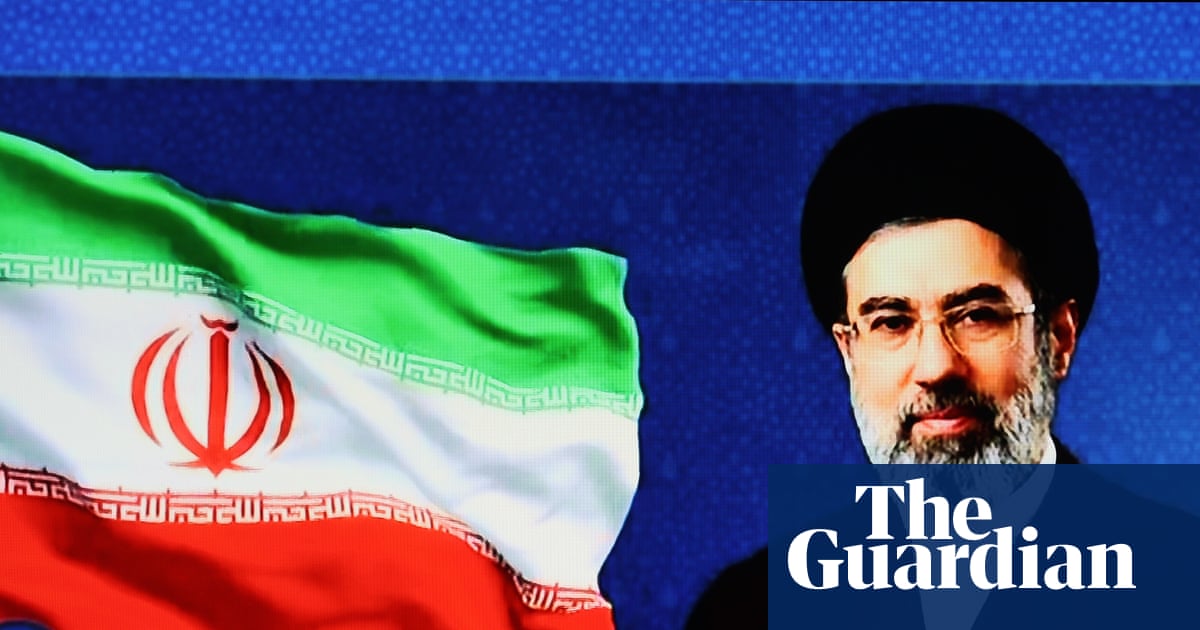
Iran’s New Supreme Leader Vows to Keep Strait of Hormuz Closed liberal Liberal outlets depict Mojtaba Khamenei’s vow to keep the Strait of Hormuz closed as an escalatory move that threatens global energy stability and risks a wider regional war, while underscoring the need for diplomatic pressure and scrutiny of platforms like X that amplify his messaging. They frame Iran’s actions within a cycle of violence involving U.S. and Israeli strikes but emphasize the humanitarian, economic, and governance costs of his hardline stance. @The Guardian @CNBC @CBS News
conservative Conservative outlets portray the continued closure of the Strait of Hormuz and threats to attack shipping and U.S. bases as clear evidence of Iranian aggression that tests Western resolve and demands a strong deterrent response. They emphasize Khamenei’s ties to militant proxies and argue that his openly hostile statements confirm the need to confront, rather than accommodate, the regime in Tehran. @The Epoch Times @The Washington Times @Washington Examiner Iran’s new supreme leader, Ayatollah Mojtaba Khamenei, has issued his first major statement since succeeding his assassinated father, Ali Khamenei, vowing to keep the Strait of Hormuz closed and to use it as leverage against the United States, Israel, and their regional partners. Both liberal and conservative outlets agree that he framed the continued closure of the vital waterway as a tool of pressure, coupled with threats to attack ships attempting transit and to continue strikes on U.S. military bases in the region. Coverage on both sides notes that this statement was delivered without a live on-camera appearance, through state media and written messages, and that his remarks coincided with rising oil prices and heightened concern over global energy supplies. Across the spectrum, reports highlight that he blamed U.S.-Israeli strikes for the killing of his father and other Iranian figures, vowed revenge, and demanded the closure of U.S. bases across the Middle East.
Liberal and conservative sources alike situate these threats within the longstanding strategic importance of the Strait of Hormuz as a chokepoint for global oil shipments and as a central pressure mechanism in Iran’s broader confrontation with the U.S. and its allies. They both emphasize that Mojtaba Khamenei’s rise follows a violent transition triggered by the assassination of his father and that his rhetoric signals continuity, not moderation, in Iran’s regional posture, including ongoing support for allied militant groups. Coverage on both sides notes that Iranian messaging portrays its attacks as focused on U.S. military targets rather than host countries, even as Gulf Arab states are clearly implicated. Both camps also acknowledge his use of modern communication tools, especially a verified account on X, as part of Iran’s information strategy in an escalating regional conflict.
Areas of disagreement
Framing of the threat. Liberal-aligned outlets portray Khamenei’s insistence on keeping the Strait of Hormuz closed as an escalatory and destabilizing move that endangers global energy markets and civilian shipping, often stressing the humanitarian and economic fallout. Conservative outlets, while acknowledging the danger, foreground the closure as a direct act of aggression and a test of Western resolve, with more emphasis on deterrence and potential military responses. Liberals focus on the risk of wider war and the need for diplomatic off-ramps, whereas conservatives highlight the need to confront Iran’s leverage and prevent appeasement.
Portrayal of U.S. and allies. Liberal coverage tends to embed Iran’s actions within a cycle-of-violence narrative, acknowledging U.S. and Israeli strikes that killed Ali Khamenei but describing them more as context than justification, and sometimes questioning past regional policies that empowered hardliners. Conservative outlets more clearly frame U.S. and Israeli operations as legitimate self-defense or counterterrorism and depict Iran’s response as disproportionate, terroristic coercion of shipping and neighbors. This leads liberal pieces to stress shared responsibility for escalation, while conservative stories center Iran as the principal instigator.
Characterization of Iran’s leadership and proxies. Liberal sources often describe Mojtaba Khamenei as an unelected theocrat consolidating power through regional militias, but they also give attention to his calls for national unity and his rhetorical positioning as defending Iran against external aggression. Conservative coverage is more likely to emphasize his ties to groups like Hezbollah and the Houthis as evidence that Iran runs a coordinated terror network, using terms and framing that underscore illegitimacy and threat rather than internal politics. Where liberals may analyze his succession and messaging in terms of institutional continuity within the Iranian system, conservatives stress the danger he poses as the architect of a more aggressive regional campaign.
Use of technology and information warfare. Liberal reporting highlights Khamenei’s verified presence on X as a case study in platform accountability, scrutinizing how a sanctioned leader can use a Western social media company to amplify war messaging and calling out the platform’s verification and monetization practices. Conservative outlets mention his online activity but devote more attention to what his posts reveal about operational intent, such as targeting U.S. bases and Gulf states, using them as evidence of the regime’s openly stated hostility. As a result, liberal pieces tend to emphasize regulatory and ethical questions about tech platforms, while conservative coverage uses the same facts to argue that Iran is brazenly broadcasting its threats and should be treated accordingly.
In summary, liberal coverage tends to stress the destabilizing humanitarian and economic risks of Iran’s threats, the problematic role of tech platforms, and the broader cycle of regional escalation, while conservative coverage tends to emphasize Iranian aggression, the threat to U.S. and allied interests, and the need for a firm, deterrence-focused response.
Story coverage
Write a comment