Keir Starmer Vows Not to Resign Amid Leadership Crisis
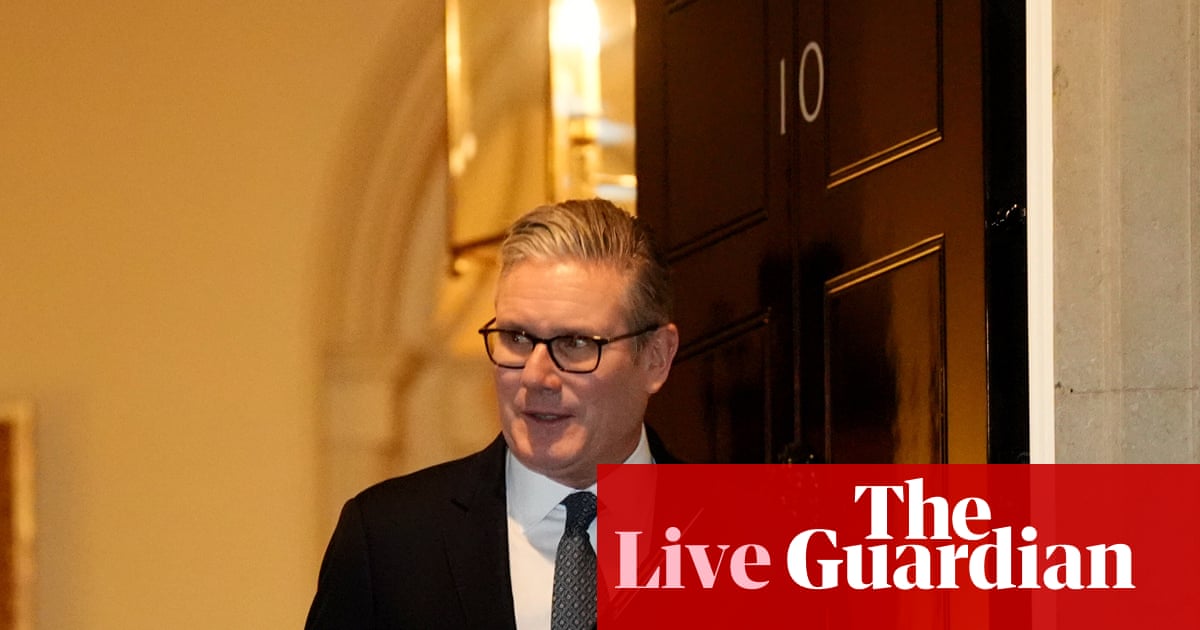
Keir Starmer Vows Not to Resign Amid Leadership Crisis liberal Liberal outlets depict Starmer as under pressure but still in control, stressing his firm refusal to resign, visible support from many Labour MPs, and the possibility of using staff changes to reset his government. They acknowledge internal criticism and the Mandelson–Epstein fallout but frame these as challenges he can overcome if he tightens discipline and refocuses on governing and countering Reform UK. @The Guardian
conservative Conservative outlets frame Starmer’s situation as a major leadership crisis fueled by scandal, senior resignations, and high-profile calls for him to step down, arguing that his authority is seriously damaged. They suggest the Epstein-linked controversy and internal revolt reveal deep flaws in his judgment and leadership, raising doubts about his ability to survive the coming months or effectively confront political rivals. @Fox News Keir Starmer is facing a leadership crisis after calls for his resignation, most notably from Scottish Labour leader Anas Sarwar, but he has told Labour MPs he is “not prepared to walk away” and has vowed to stay on as prime minister. Across outlets, reports agree that he addressed the parliamentary Labour party in a tense meeting at Westminster, where he insisted he would fight any challenge and emphasized his mandate from the general election. Coverage notes that the crisis coincides with the resignations of senior Downing Street staff, including his chief of staff and director of communications, and that possible leadership rivals have begun to be talked about within the party. Both liberal and conservative sources describe a divided mood among MPs, with some privately or publicly critical while many others offered standing ovations and public loyalty pledges.
Common context across the spectrum portrays this as a serious but not yet terminal test of Starmer’s authority, rooted in internal Labour tensions and recent missteps rather than a single triggering event. Outlets agree that the controversy around Peter Mandelson’s past links to Jeffrey Epstein has contributed to wider unease, even if it is only one part of a broader narrative of discontent with aspects of Starmer’s leadership and policy direction. Both sides highlight that Labour’s internal dynamics now matter greatly for the stability of the government and note that the leadership crisis is unfolding as the party prepares to confront external challenges, including the electoral threat from Reform UK. There is shared recognition that the coming weeks, including Starmer’s handling of personnel changes and party management, will be pivotal in determining whether he can reassert control or faces a more formal challenge.
Points of Contention
Nature and severity of the crisis. Liberal-leaning outlets tend to frame the situation as a serious wobble but emphasize that Starmer still has substantial backing in the parliamentary party, highlighting standing ovations and loyalist interventions as evidence that the revolt is limited. Conservative outlets portray the moment as a full-blown or looming revolt, stressing the symbolism of senior aides quitting and presenting Sarwar’s intervention as indicative of a wider collapse in confidence. Liberal coverage often suggests that talk of Starmer’s downfall is premature and partly media-driven, whereas conservative coverage leans into the idea that his leadership is now in genuine free fall.
Role of scandal and personnel resignations. Liberal sources acknowledge the resignations of the chief of staff and director of communications but place them within a broader government “reset” or shake-up narrative, downplaying any direct causal link between these departures and Starmer’s ability to govern. Conservative sources foreground the Epstein-related controversy around Peter Mandelson as a key trigger, tying the staff exits to ethical and judgment failures at the top of Labour. While liberal coverage treats the Epstein link as part of the background noise around an already fraught operation, conservative coverage uses it as a central storyline to question Starmer’s integrity and decision-making.
Intra-party dissent and mandate. Liberal-aligned outlets stress Starmer’s electoral mandate and repeatedly note that most Labour MPs, including potential rivals, publicly affirm his right to continue, framing Sarwar and other critics as outliers or part of a manageable internal debate. Conservative outlets highlight the Scottish Labour leader’s call for resignation as evidence of deep fractures and suggest that unnamed MPs and factions are quietly organizing against Starmer. For liberals, the key story is whether Starmer can unify a broad coalition that still broadly accepts his leadership, while conservatives stress the possibility that discontent could crystallize into a coordinated challenge.
Future trajectory and opposition threats. Liberal coverage tends to focus on how Starmer might use this crisis to reconfigure his team and sharpen his agenda, presenting forthcoming reforms and strategic shifts as opportunities to regain authority ahead of fights with Reform UK and the Conservatives. Conservative coverage is more inclined to argue that the leadership turmoil weakens Labour’s capacity to face external opponents, framing Reform UK’s rise and public dissatisfaction as symptoms of Starmer’s faltering project. Liberals typically cast the next phase as a test of resilience that Starmer can plausibly pass, whereas conservatives cast it as the beginning of an unraveling that opponents will exploit.
In summary, liberal coverage tends to cast Starmer’s refusal to resign as a show of resilience within a still-manageable leadership scare, while conservative coverage tends to depict it as a beleaguered leader clinging on amid escalating scandal, deepening party revolt, and mounting external pressure. Story coverage
Write a comment