Minnesota Governor Tim Walz Announces He Will Not Seek a Third Term
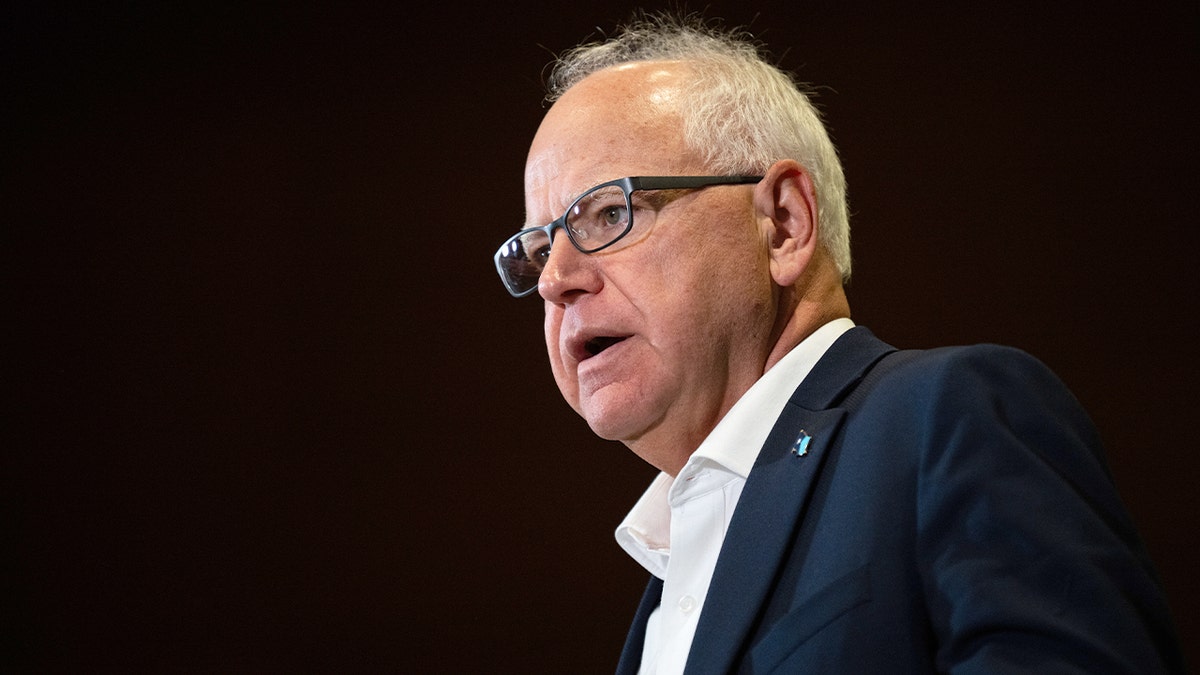
Minnesota Governor Tim Walz Announces He Will Not Seek a Third Term liberal Liberal coverage acknowledges real fraud issues but portrays Walz’s decision not to seek a third term as a response to an increasingly hostile, racist, and misinformation‑driven environment fueled by Trump and right‑wing media. It emphasizes personal and community harm from conspiracies and harassment more than Walz’s personal culpability. @The Gateway Pundit @www.wonkette.com
conservative Conservative coverage frames Walz’s withdrawal as the inevitable consequence of massive welfare and childcare fraud scandals, arguing that public outrage, federal probes, and Republican pressure exposed his incompetence or complicity and effectively ended his political career. It casts his explanations as deflection from systemic failures and potential criminal liability. @Fox News @Blaze Media @The Washington Times
Areas of Agreement
Liberal and conservative coverage largely agree on the basic facts that Minnesota Governor Tim Walz has announced he will not seek a third term and will withdraw from the 2026 gubernatorial race, ending his bid for reelection. Both sides connect this decision in time and context to intense scrutiny over large-scale fraud involving social service and childcare programs tied to Somali-linked nonprofits, and acknowledge that the scandal has drawn national attention, federal prosecutions, and calls for deeper investigations. Across outlets, Walz is consistently quoted or described as saying he wants to focus on governing rather than campaigning, and sources on both sides note that he has criticized Donald Trump and his allies, while also facing criticism from Republicans and congressional investigators.
Areas of Divergence
Where coverage diverges most sharply is in framing Walz’s motives, culpability, and the broader meaning of his exit. Conservative outlets overwhelmingly cast Walz’s move as a forced retreat under scandal, emphasizing alleged “billions” in fraud, describing Minnesota as rife with “Somali schemes”, highlighting polling showing voter disapproval, and amplifying Republican figures like James Comer, Karoline Leavitt, and Donald Trump who portray Walz as either complicit or willfully negligent. By contrast, the cited liberal-aligned articles stress Trump’s misinformation and incendiary attacks, including a conspiracy video falsely tying Walz to the death of Rep. Melissa Hortman, and frame his decision as driven by a toxic, racialized political climate and harassment from right‑wing media rather than as an admission of guilt. While conservatives focus on Walz’s alleged responsibility for systemic fraud and potential legal exposure, liberal pieces focus more on racism, disinformation, and personal safety, treating the fraud story as real but politically weaponized.
Conclusion
Taken together, both sides recognize that Walz’s decision is a major political turning point tied to Minnesota’s fraud scandals, but conservatives present it as the downfall of a failed governor mired in corruption, while liberal coverage highlights the role of right‑wing attacks and disinformation in making continued service and campaigning untenable.
Story coverage
Write a comment