The Arc of the Voting Rights Act
Louisiana Republicans erased a majority-Black congressional district.
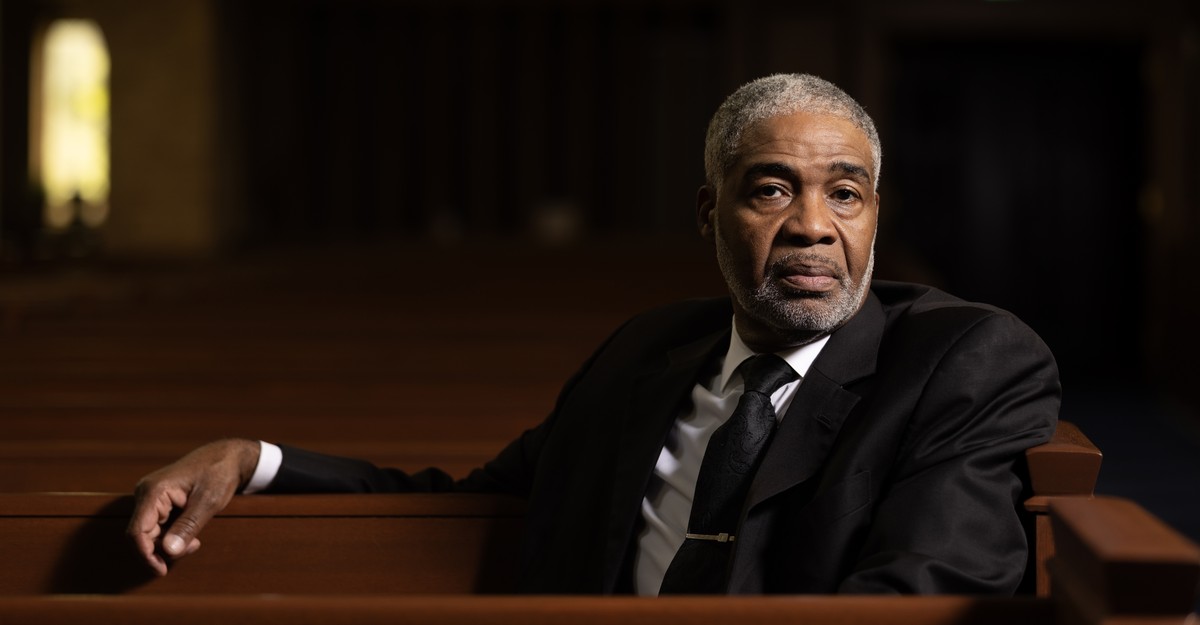
The Arc of the Voting Rights Act Following the Supreme Court’s decision weakening the Voting Rights Act, Louisiana Republicans have redrawn congressional districts, erasing a majority-Black district and diluting Black voting influence. This move has drawn criticism from Democrats and civil rights advocates who see it as a rollback of progress, while Republicans argue it’s a fair adjustment reflecting the state’s political dominance. The situation has sparked protests, petitions, and renewed calls for voter engagement within Black communities.
- The Supreme Court’s ruling in Louisiana v. Callais has weakened the 1965 Voting Rights Act, potentially reducing Black voting power.
- Louisiana Republicans redrew congressional districts, eliminating a majority-Black district held by a Democrat, which is expected to favor Republicans.
- Critics argue this redistricting is a partisan gerrymander that suppresses minority votes, while proponents claim it’s a fair reflection of the state’s GOP dominance.
- Black pastors and community leaders are urging increased voter registration and engagement to counter the perceived loss of influence.
- The move has reignited discussions about racial representation and civil rights, with some comparing the current situation to the Jim Crow era.
- Public opinion polls indicate widespread opposition to partisan gerrymandering, but differing views on whether race should be a factor in map drawing.
No comments yet.
Write a comment