The Hidden Cost of Cheap TVs
Screens have gotten inexpensive—and they’re watching you back.
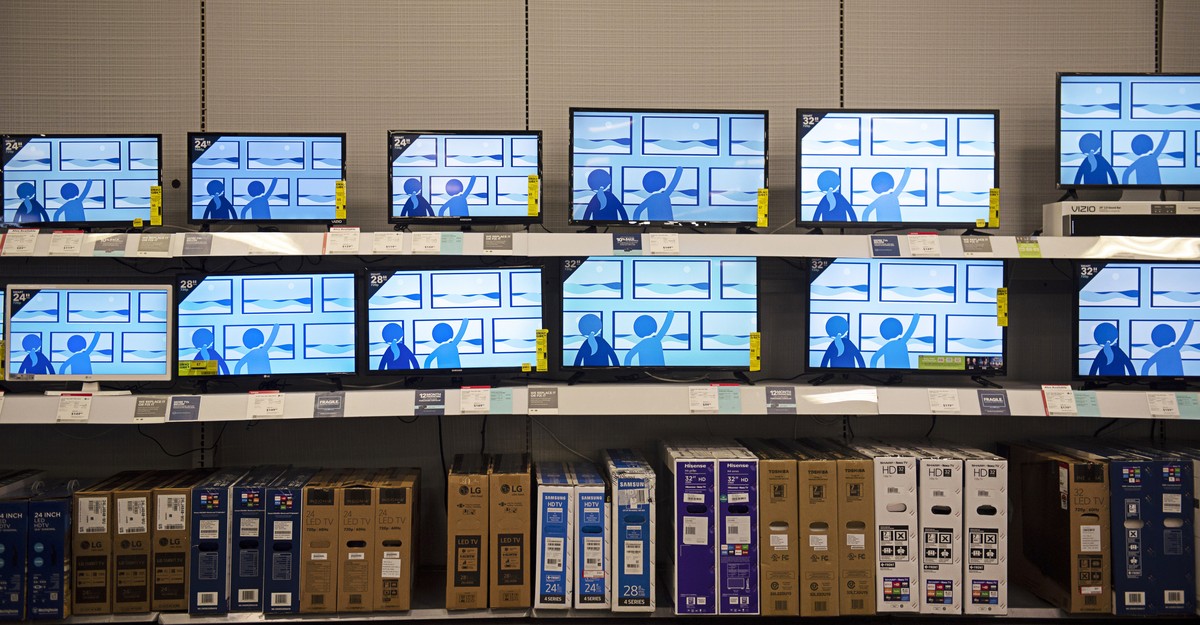
The Hidden Cost of Cheap TVs Modern televisions have become drastically cheaper than in the past due to advancements in manufacturing, increased efficiency in component production, and intense market competition. While these factors drive down hardware costs, smart TVs also generate revenue by collecting and selling user viewing data to advertisers, essentially offsetting the price of the device itself. This shift transforms TVs from durable furniture into pieces of tech that constantly monitor users, contributing to e-waste while offering personalized content and advertising.
- Early TVs were large, expensive, and built like furniture, intended to last for decades.
- Today’s TVs are significantly cheaper and offer much higher resolution, with prices defying logical deflation compared to other goods.
- Manufacturing improvements, such as efficient cutting of ‘mother glass’ for panels, have drastically reduced component costs.
- Intense competition in the TV market, with new companies entering and established ones lowering prices, further contributes to affordability.
- A major reason for cheap TVs is ‘post-purchase monetization’ through smart TV features that track viewing habits and display advertisements.
- Smart TV operating systems generate substantial revenue from advertising and data sales, allowing manufacturers to sell hardware at or near cost.
- The data collected by smart TVs can influence advertising not only on the TV but also on other connected devices and online platforms.
- The shift to cheaper, easily replaceable TVs contributes to the growing problem of electronic waste.
No comments yet.
Write a comment