Watch Out for Rising Electricity Bills Due to Heatwave
Prolonged use of fans, air conditioners, and constantly opening the refrigerator can significantly increase electricity consumption.
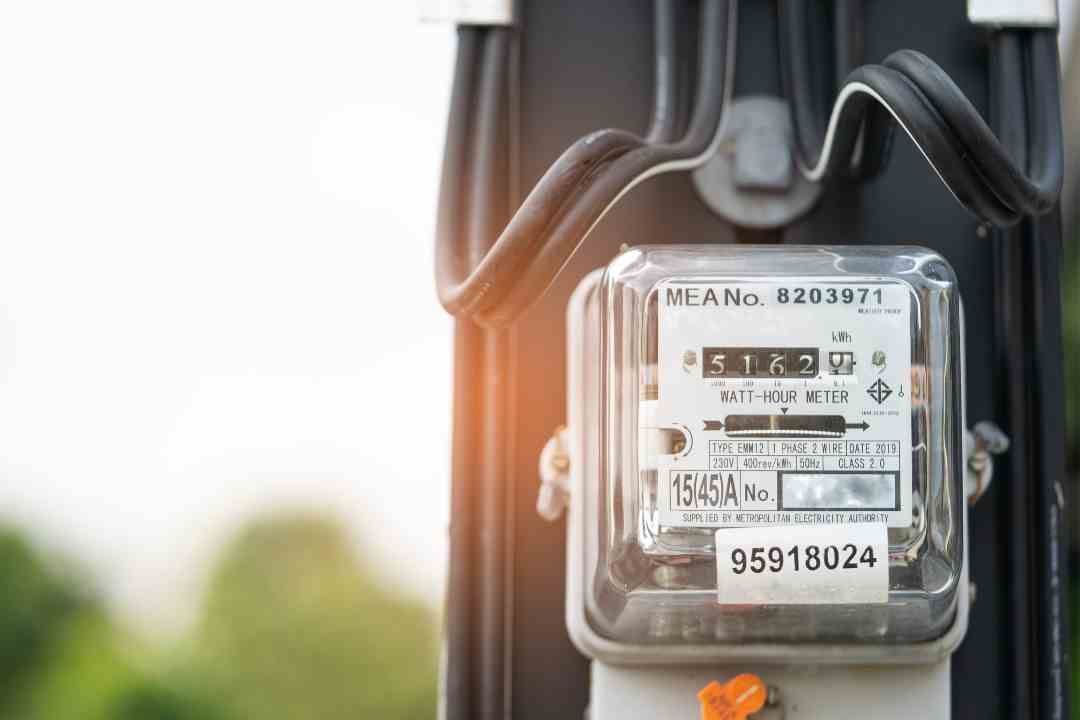
Watch Out for Rising Electricity Bills Due to Heatwave Nicaraguans are experiencing high electricity bills, with a heatwave increasing consumption due to the use of fans and air conditioners, and refrigerators working harder. The country’s electricity distribution is controlled by a monopoly, Diss Norte-Diss Sur, where the state is both a regulator and a partner, creating a conflict of interest and leaving consumers with no alternatives and facing rising, unexplained charges.
- Nicaraguan families dedicate a significant portion of their income to electricity bills, paying the highest rates in Central America.
- The current heatwave, with temperatures up to 41 degrees Celsius, increases electricity usage from fans and air conditioners, potentially straining family budgets.
- A 24-year-old resident, ‘Juan,’ reports monthly bills of 1,500 córdobas despite minimal appliance usage, with higher bills in previous months.
- Some neighbors reportedly pay up to 4,000 córdobas monthly due to higher consumption from children.
- Social media platforms show complaints from Nicaraguans with bills ranging from 4,000 to 11,000 córdobas.
- A subsidy for consumption below 150 kilowatts is deemed impractical by residents.
- ENATREL confirms that heatwaves increase electricity bills due to prolonged use of cooling devices and increased refrigerator activity.
- ENATREL recommends adjusting air conditioning temperatures, unplugging devices, and using natural ventilation.
- Nicaragua’s electricity distribution operates under an absolute monopoly by Diss Norte-Diss Sur, with the state as both regulator and a direct partner, creating a conflict of interest.
- This structure leads to a lack of transparency, potential for abusive charges, and consumers paying for inefficiencies in the electricity grid. https://nicaraguainvestiga.com/economia/170514-cuidado-con-subir-su-recibo-de-luz-por-ola-de-calor/
No comments yet.
Write a comment